 Race Suits


 Jackets


 Hoodies


 Shirts


 Pants


 Kids Gear


 Gloves
 Leather


Table of contents
No headings found in this article.

Border Village to Nullarbor Roadhouse is 187 km with nothing in between but the Bunda Cliffs turn-offs. In January the air is 42°C, the bitumen is hotter, and the only shade is the one you brought. A fuel problem here is a long wait. A heat problem here is worse, because heat does not wait.
This is the checklist for riders who have decided to cross in summer anyway. Most of it is water, timing and spares. Some of it is gear. The broader kit decisions live in the Summer Motorcycle Gear Australia pillar.
In this guide
- The two routes
- Water strategy
- UV beyond the gear
- Pace and schedule
- The gear stack
- Pack list
- Mechanical heat issues
- If you overheat 200 km from anywhere
- FAQ
The Two Routes
The Nullarbor: Norseman to Ceduna, 1,200 km. The Eyre Highway proper. Roadhouses at Balladonia, Caiguna, Cocklebiddy, Madura, Mundrabilla, Eucla, Border Village, Nullarbor, Nundroo. Gaps of 90–190 km. The 146 km straight east of Caiguna is the longest in the country. No shade on the Plain, no mobile coverage for long stretches, summer highs of 38–45°C with 48°C events on record at Eucla.
The Stuart Highway: Darwin to Port Augusta, 2,700 km. Two climates in one road. Darwin to Katherine is tropical and humid. Katherine to Coober Pedy is dry furnace: Tennant Creek, Alice Springs, Kulgera, Marla. Fuel gaps up to 250 km. Build-up temperatures at Katherine and Tennant Creek regularly hit 44°C in October and November before the wet arrives.
What makes them brutal in summer:
- Distance between help. A heat emergency 150 km from a roadhouse is a different scale of problem.
- No shade. On the Nullarbor you stop in the shade of your own bike or you do not stop in shade.
- UV index 12–14 for most of the day.
- Monotony. Straight road at 110 km/h degrades concentration faster than corners do, and heat accelerates it.
- Wildlife at dawn and dusk: kangaroos, emus, camels on the Nullarbor, cattle on the Stuart.
Water Strategy
| Forecast | On-bike consumption per day | Carry minimum |
|---|---|---|
| 35°C | 4 litres | 6 litres |
| 40°C | 6 litres | 7 litres |
| 45°C | 8 litres | 9 litres |
How to carry it: 3L hydration bladder on your back with the bite valve inside the collar; 2L in a side case or pannier; 1L sealed in the tail bag that you do not touch unless something has gone wrong. Freeze the bladder overnight at the roadhouse if they will let you; it buys you ninety minutes of cold water, which is all the morning session needs.
Electrolytes: one sachet every two hours. In the Centre the salt loss is high enough that plain water alone will dilute your blood sodium. The symptoms of that look like heat exhaustion and are treated differently. Carry twice as many sachets as you think you need. Roadhouses do not always stock them.
Refill rule: every roadhouse, full, whether you feel like it or not. The gap you skip is the one that goes wrong.
The physiology behind the numbers is in Riding in 40°C.
UV Beyond the Gear
The shirt and jeans cover most of you. The gaps need their own plan.
- Sunscreen. SPF 50+ on face, neck and the back of your hands. Reapply at every fuel stop; sweat strips it in an hour.
- Neck. A UPF 50 neck tube under the chin strap. It is the one patch nothing else covers, and on the Nullarbor it burns by 9am. Soaked, it doubles as cooling.
- Visor. Dark visor for the day, clear in the tail bag for the last hour. Squinting for eight hours is a fatigue source most riders do not count.
- Lips. SPF lip balm. Cracked lips on day two is a small misery that follows you to Adelaide.
- Hands. Short vented gloves with a closed back are better than open-mesh backs here; the mesh ones let the sun through.
Pace and Schedule
| Window | Activity |
|---|---|
| 5–11am | Ride. Aim for 400–500 km. |
| 11am–4pm | Off the bike at a roadhouse. Aircon, meal, refill, refreeze inserts. |
| 4–7pm | Ride. 200–300 km. |
| After 7pm | Stop. Wildlife owns the road from dusk. |
That gives a 700 km day with both the heat and the roos avoided. It is how the truckies do it, and the truckies have been doing it longer than you.
Do not ride through the middle. It is not just hotter; it is where lapses happen. Heat, monotony and dehydration together erode reaction time inside ninety minutes, and on a road with no corners there is nothing to pull your attention back.
Do not ride at night to beat the heat. It trades a known problem for a worse one. A kangaroo at 110 km/h in the dark is not survivable in the way heat exhaustion is.
The Gear Stack
Head. Multi-vent helmet, dark visor, clear visor packed, UPF neck tube. ADV peak if you have one; it shades the visor.
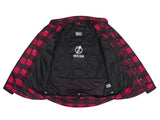
Torso. Crosswind™ mesh shirt with Keep Tech Level 2 for the long hours or Flying Bats Level 2 for coverage. Merino base layer. Evaporative vest for the Centre and the Plain; phase-change vest for the Darwin end of the Stuart. Nullarbor™ textile jacket in the tail bag for the 12°C dawn out of Norseman and the one storm you will not avoid.
Honest trade-off: the Crosswind™ is not EN 17092 garment-certified. On a 110 km/h road that matters more than on a commute, which is why Level 2 armour is the floor here, not an option, and why the Nullarbor™ shell goes on when the heat eases.
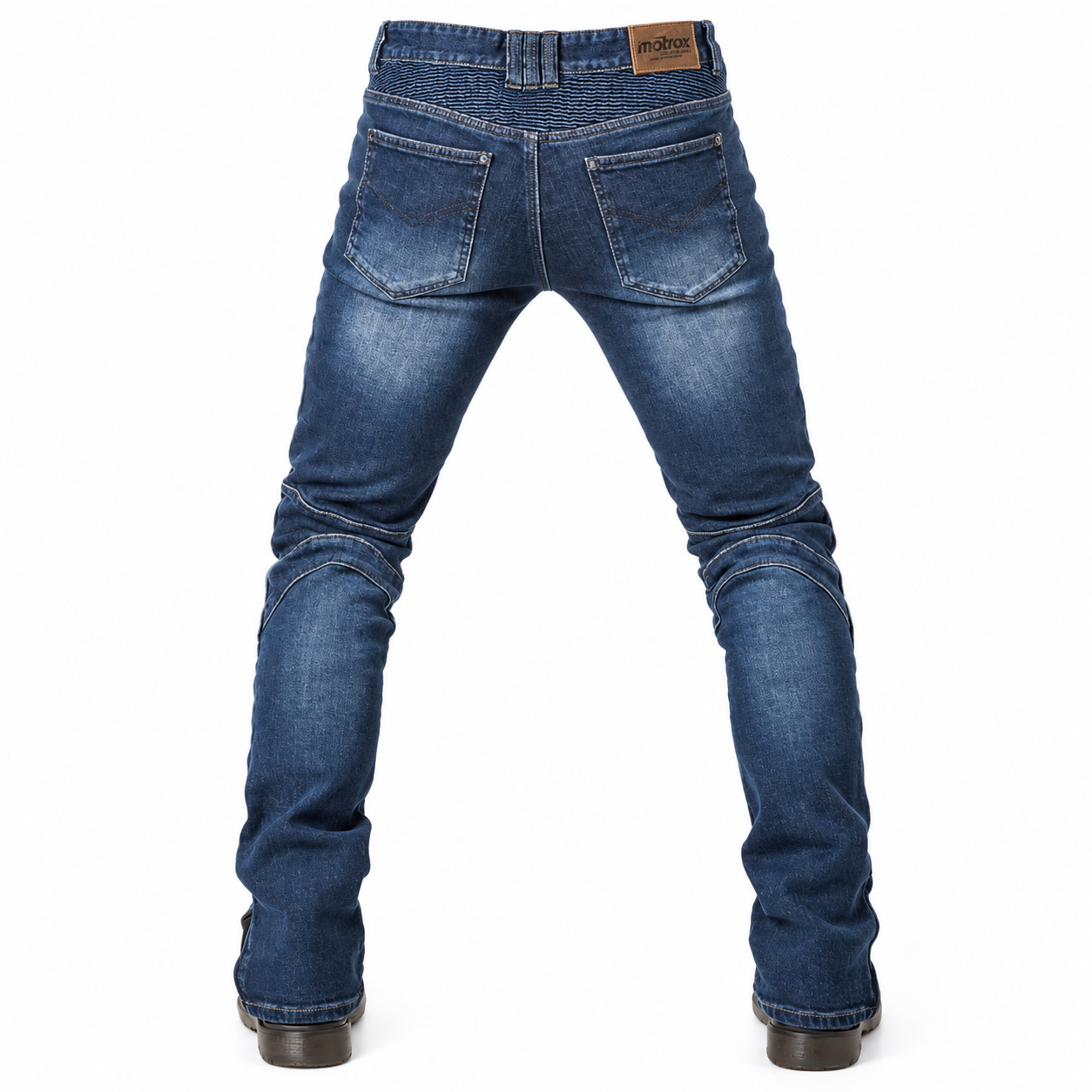
Legs. Stockman™ Kevlar® jeans or vented textile pants. The Stockman™ is the better choice if you are stopping in towns; the trade-off is less airflow than mesh pants at 45°C, so run a cooling base layer under them. Choosing between the Stockman™ cuts is covered in the Kevlar Motorcycle Jeans Buyer's Guide.
Hands and feet. Short vented gloves, CE EN 13594 Level 1 minimum. Vented adventure or short touring boots.
On the bike. 3L bladder, tank bag with route and phone, side case with 2L water and tools, tail bag with the jacket, spare visor, spare base layer and the sealed 1L.
Pack List
Water and food: 3L bladder, 2L backup, 1L sealed reserve, electrolyte sachets for twice the days you are riding, salty snacks for between roadhouses.
Safety and comms: satellite messenger with an active subscription (Garmin inReach, SPOT or Zoleo), printed route with water stops marked, phone with offline maps downloaded, USB charging on the bike, first-aid kit with paracetamol, ibuprofen, bandages and antiseptic.
Spares and tools: spare clear visor, tubeless plug kit and 12V pump (or tubes and levers if you are on spokes), chain lube, spare clutch and brake levers, zip ties, duct tape, a few metres of wire.
Sun and weather: SPF 50+ sunscreen, SPF lip balm, UPF neck tube, wide-brim hat for stops, packable rain jacket.
Comfort: spare merino base, spare socks, earplugs. Eight hours of wind noise at 110 km/h fatigues you faster than you expect, and fatigue is the thing you are managing.
Mechanical Heat Issues
Tyres. Set cold pressures to the manufacturer's loaded figure before the sun hits the bike. Do not bleed air from a hot tyre at a roadhouse; the rise you are seeing is normal and bleeding it leaves you under-inflated when it cools. Under-inflated sidewalls on 60°C bitumen is how tyres fail.
Chain. Dust and heat strip lube fast. Lube every 400–500 km on these routes, not the usual 800. Use a dry-conditions lube; wet lubes collect the red dust and turn it into grinding paste.
Brakes. Mostly irrelevant on the flat. The descent into Eucla from the Plain and the drop into Port Augusta are the two places to use the engine rather than dragging the brakes.
Engine. Do not sit idling at a roadhouse in 45°C. Kill it. Air-cooled bikes especially.
Fuel. Consumption rises in extreme heat and headwinds across the Plain are common. Plan every leg with 20% in hand. Roadhouses occasionally run out or close early; a phone call ahead to the next one costs nothing.
If You Overheat 200 km From Anywhere
First five minutes. Stop. Put the bike between you and the sun and sit on the shaded side. Helmet off, shirt open or off, gloves off. Open the sealed 1L. Drink 500 ml slowly, pour the rest over your head, neck and wrists.
Next thirty minutes. Sit. Do not stand and do not pace. Second electrolyte sachet. If you are carrying a satellite messenger and the symptoms are serious, send the check-in now, not later.
If it is not improving after thirty minutes. You are not riding. Activate the SOS on the messenger or dial 000 if you have signal. Stay with the bike; it is visible from the road and the air.
If it improves. Ride only to the next roadhouse. Stop there for the day. Reassess at dawn.
The plan that avoids all of this: the schedule in the section above, followed without exception.
From the road
Nullarbor Roadhouse, early February, mid-afternoon. A rider on a big tourer came in from the west, got off, and sat on the kerb with his helmet on because he had forgotten how to take it off. The staff there have seen it before: inside to the aircon, water, salt, a towel, lie down. He had left Border Village at 1pm because the forecast said 41 and he had done 41 at home in Kalgoorlie. He had done 41 at home in a car. He was back on the road at six the next morning, a day late and rearranged about how far 187 km is.
FAQ
What gear do I need to cross the Nullarbor on a motorcycle in summer?
A mesh shirt with CE Level 2 armour, merino base layer, evaporative cooling vest, 3L hydration plus 3L reserve, Kevlar® jeans, vented boots and gloves, a vented helmet with dark and clear visors, a packable textile shell, and a satellite messenger. The messenger is the item people leave out and regret.
How much water do you need for the Nullarbor on a bike?
Six litres on the bike every riding day at 35°C, more as it climbs, plus a sealed litre you never touch. Refill at every roadhouse without exception. The water is for drinking; the sealed litre is for the day something goes wrong.
Can you ride the Stuart Highway in January?
Yes, if you ride 5–11am and 4–7pm and stay off the road in between and after dark. Expect 40°C+ most days through the Centre and humidity at the Darwin end. Carry both cooling vest types and swap at Katherine.
Do I need a satellite messenger for the Nullarbor?
Riding solo, yes. Mobile coverage drops out for long stretches between roadhouses, and a breakdown or heat emergency 150 km from help is a different problem to the same thing in a city. A subscription costs less than one night at a roadhouse.
Is mesh enough for a summer Nullarbor crossing?
Mesh with Level 2 armour handles the heat, which is the thing most likely to hurt you. For the 110 km/h slide risk, a certified shell is better, which is why the Nullarbor™ jacket rides in the bag and goes on when the heat eases. Two garments, not one.
What is the biggest mistake riders make on summer crossings?
Leaving a roadhouse after 11am because the next leg "isn't far". On the Plain there is no far that is near. The second biggest is riding at night to avoid the heat and meeting a camel.
Should I ride at night on the Nullarbor to avoid the heat?
No. Kangaroos, emus, cattle and camels are on the road from dusk, and most are the same colour as the road. Night riding swaps a problem you can manage for one you cannot.
How often should I refuel on the Stuart Highway in summer?
Every stop that has fuel, with 20% in reserve for headwinds and heat. Roadhouses can be out or closed; ring ahead to the next one. Running dry 60 km short of Kulgera in January is a problem with no good solution.
Before you book the roadhouses, buy the satellite messenger. Then the water bladders. Then the gear. In that order, because the order is the priority. MOTROX10 takes 10% off the gear part.
Shop the Crosswind™ → · Nullarbor™ jacket → · Stockman™ jeans → · Dry heat vs tropical heat · Back to the Summer Motorcycle Gear Australia pillar.
Popular with riders


- CE armour

- CE armour
- Kevlar®

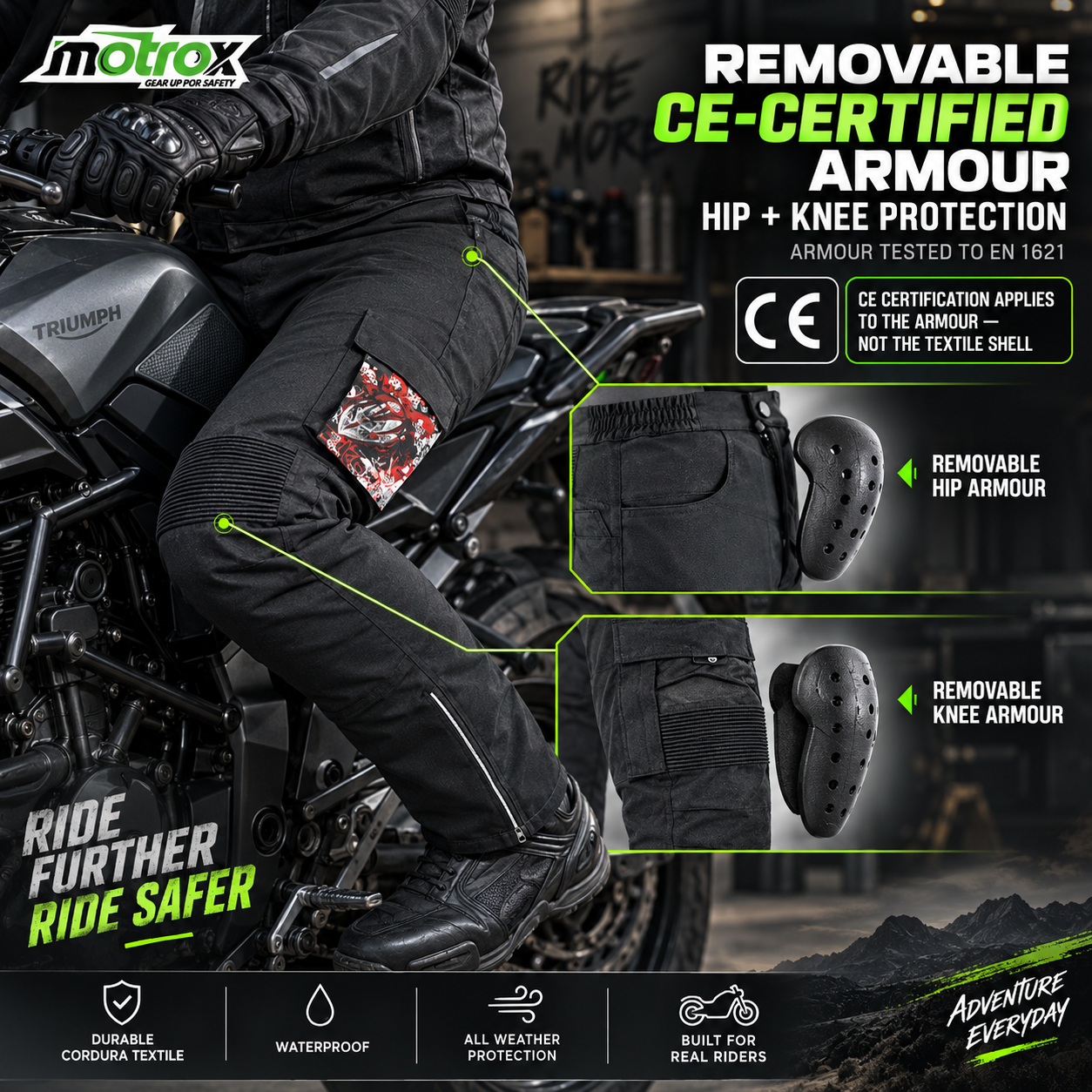
- CE armour

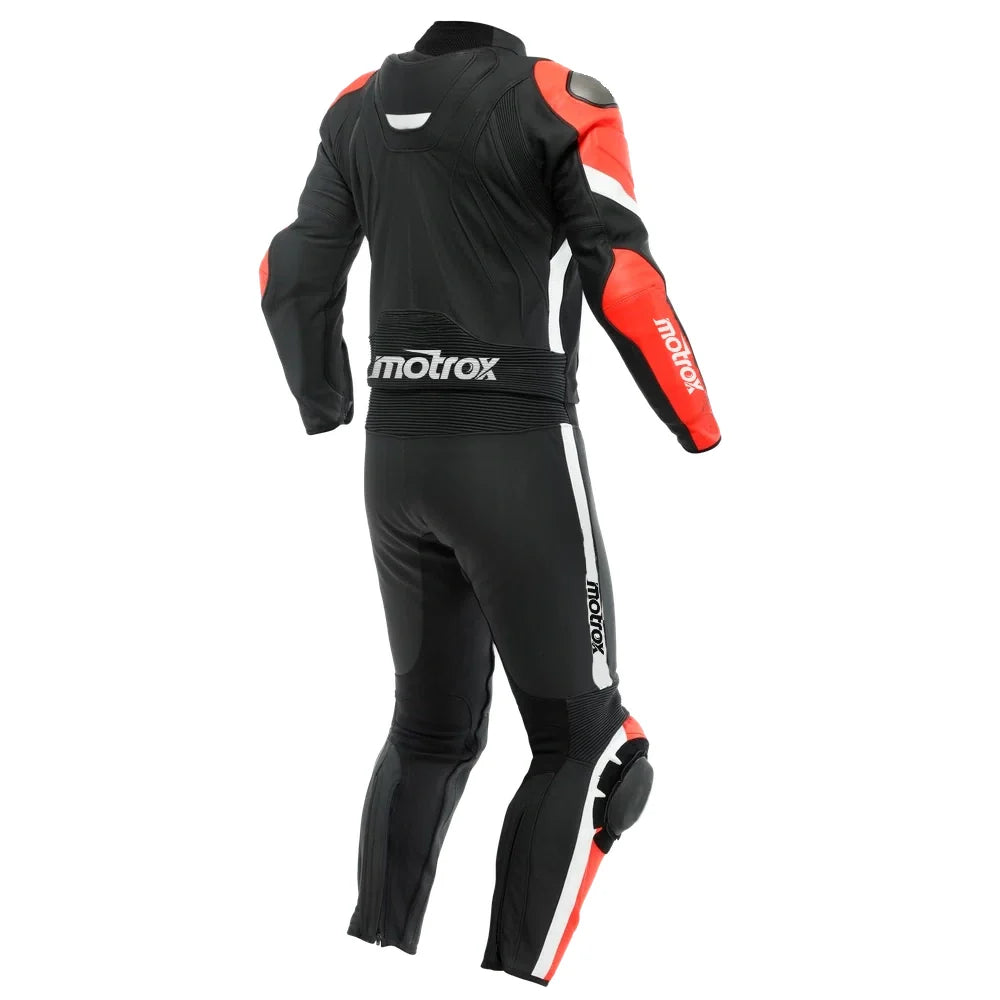
- CE armour
- Made to measure